Low-Carb Thanksgiving: What to Eat Without Starting Over
One dinner doesn’t undo anything. Here is where the carbs on the table actually are, so you can spend them on the dishes you care about.

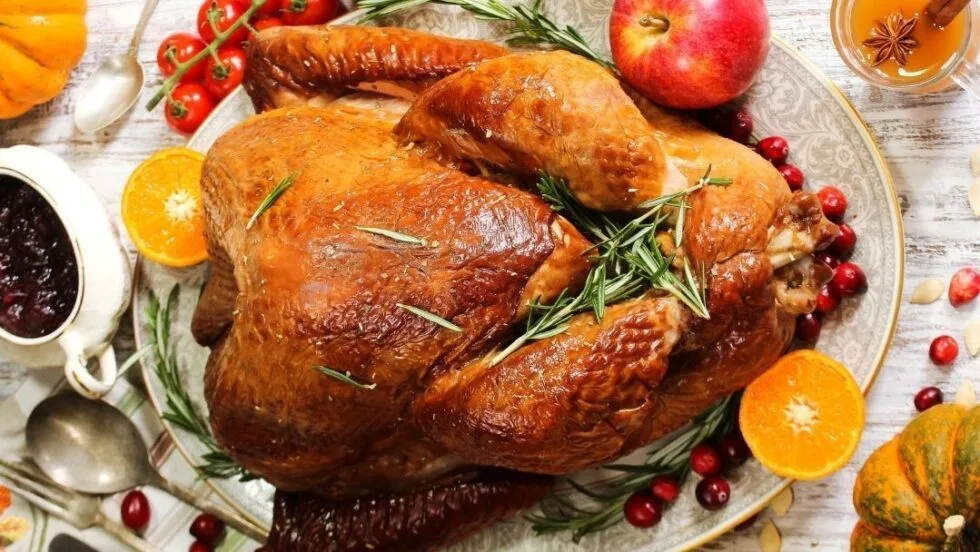
You know how to eat low carb. What makes Thanksgiving hard is remembering last time. One different meal turned into a long weekend of leftovers, and then a promise to start over on Monday.
A low-carb Thanksgiving can leave room for the food you look forward to. It helps to know which dishes carry most of the carbs, and which of those matter enough to you to keep. One dinner doesn’t erase the meals that came before it, and the day after can stay ordinary.
Where the carbs on a Thanksgiving table actually are
The turkey gets the attention. The bread, potatoes, sweetened sauce and pie carry most of the carbohydrate on a traditional plate, and several modest-looking servings add up when they arrive together.
The numbers below are total carbs, not net carbs, read from USDA FoodData Central’s survey food records. Each one belongs to the serving and preparation named. Homemade dishes vary, so treat these as reference points. Your family’s recipes will land somewhere nearby.
| Dish and preparation | Serving | About this many total carbs |
|---|---|---|
| Roast turkey, dark meat, skin removed, no sauce | 1 large slice, 85 g | 0 g |
| Bread stuffing, from a dry mix | 1/2 cup, 100 g | 21.7 g |
| Mashed potatoes, made with milk | 1/2 cup, 125 g | 22.0 g |
| Sweet potato casserole or mash, no marshmallow or crumb topping | 1/2 cup, 125 g | 21.5 g |
| Sweetened cranberry sauce, canned | 1 slice, 50 g | 20.2 g |
| Poultry gravy, ready to serve | 1/4 cup, 60 g | 3.2 g |
| White dinner roll, soft | 1 small roll, 28 g | 14.0 g |
| Green bean casserole with mushroom soup and milk, no fried onions | 1/2 cup, 115 g | 8.1 g |
| Pumpkin pie | 1 regular slice, 150 g | 54.5 g |
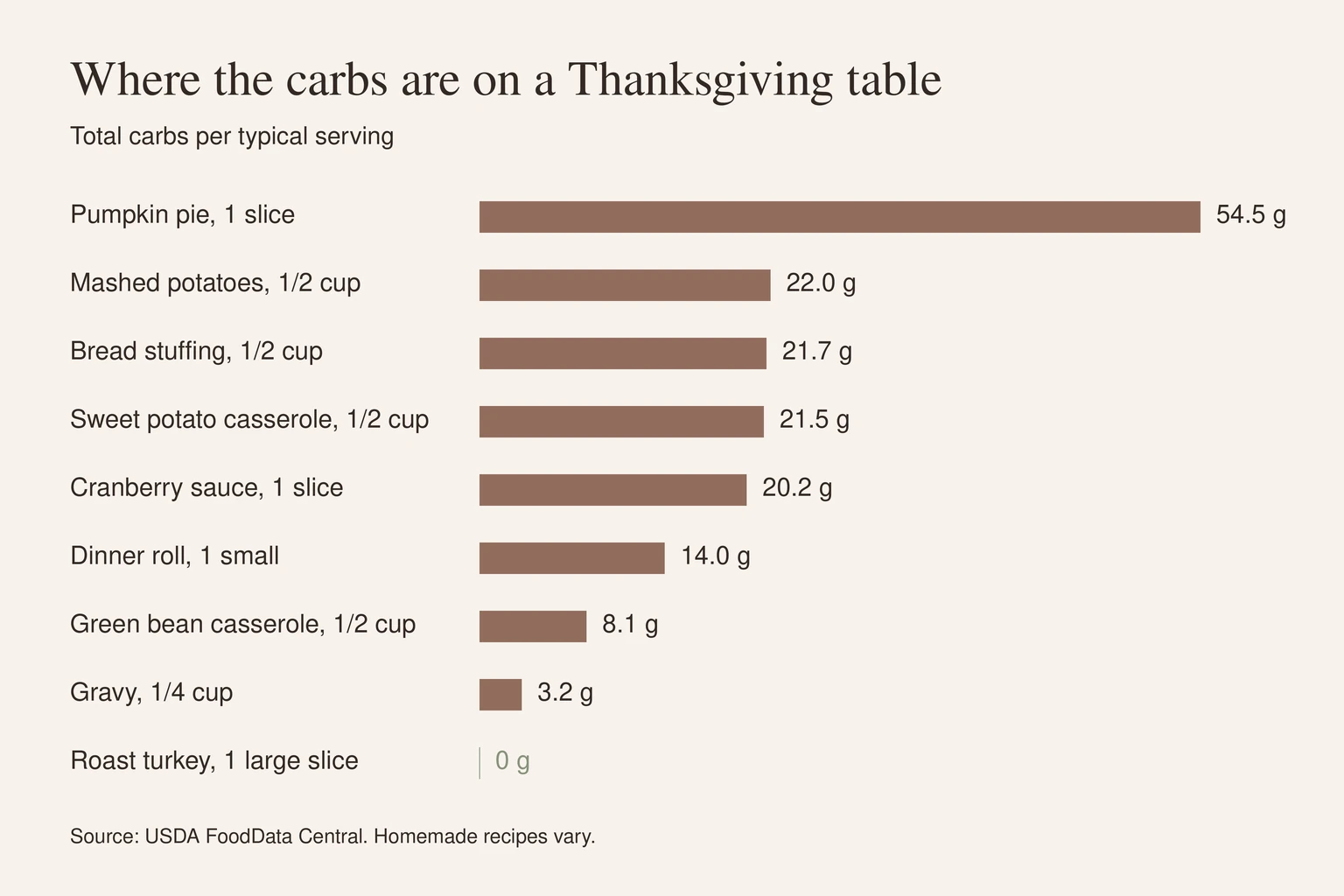
Read the two casseroles with care. A sugary topping changes the sweet potato dish, and fried onions change the green bean one. The pie figure is for a generous slice, so a smaller cut is a smaller number.
The pattern is more useful than any single figure. Plain turkey adds no carbs, which leaves room for the sides. Cranberry sauce carries a lot for the little space it takes. Gravy, in the amount shown, adds far less than stuffing or potatoes.
The table shows where your carbs would go. What you choose from it is up to you.
If you take insulin, a sulfonylurea, or other diabetes or blood pressure medication, read this first
Talk to your doctor before you change how many carbs you eat at a meal, because your dose may need adjusting. Don’t adjust medication yourself. NIDDK lists insulin, sulfonylureas, and not eating enough carbohydrate among the causes of low blood glucose.
What to put on a low-carb Thanksgiving plate
Start with turkey and whatever non-starchy vegetables are on the table. Then add one or two traditional sides you actually want. It’s a simple way to build a plate. It can’t tell you what your blood sugar will do.
Maybe stuffing is the thing you wait all year for. Keep a normal serving and put it next to turkey and green beans. If mashed potatoes matter more, choose those. And you don’t have to take a roll just because the basket came past.
Decide what earns the space before everything is on the plate. It leaves less to negotiate while the serving dishes go around. A normal portion means a serving you’d recognize, like the half-cup examples above. A mound that covers the meat is something else.
If stuffing and pie are your favorites, the rest of dinner can be plain. If you’d rather have potatoes and cranberry sauce, build around those. It’s your call, made inside the eating pattern you already follow.
If you’re a guest, bring a vegetable side you like. It makes dinner easier without asking the host to redesign the menu. Our Thanksgiving salad recipe is one option next to the richer dishes.
If you monitor glucose, follow your existing care plan. For background, see the common causes of blood sugar spikes. A carb count is useful information, but it can’t predict your own response.
The sides worth swapping, and the ones worth keeping
The best low carb Thanksgiving sides are the ones you’d eat happily with no carb target at all. A replacement that makes dinner disappointing hasn’t done you a favor.
Cauliflower mash can do the job mashed potatoes do. Drain it well before blending so it doesn’t turn watery, and season it with butter, garlic or herbs. You get a soft, savory side for turkey and gravy. It still tastes like cauliflower, and the texture won’t quite match potatoes.
If your family’s potatoes are the dish you care about most, a serving of the real thing may make more sense than a separate mash nobody asked for. A swap only helps when you like the result.
What people love about stuffing is the herbs, the browned edges, the onion, and that savory flavor beside the turkey. A lower-carb version can keep some of that, but its texture depends on what replaces the bread and how much liquid it soaks up. Try it before the holiday if you plan to serve it to other people.
Green beans are another practical choice. Butter and toasted almonds, or mushrooms and a little sauce, keep the additions in your hands. That’s easier than guessing what went into a casserole someone else made.
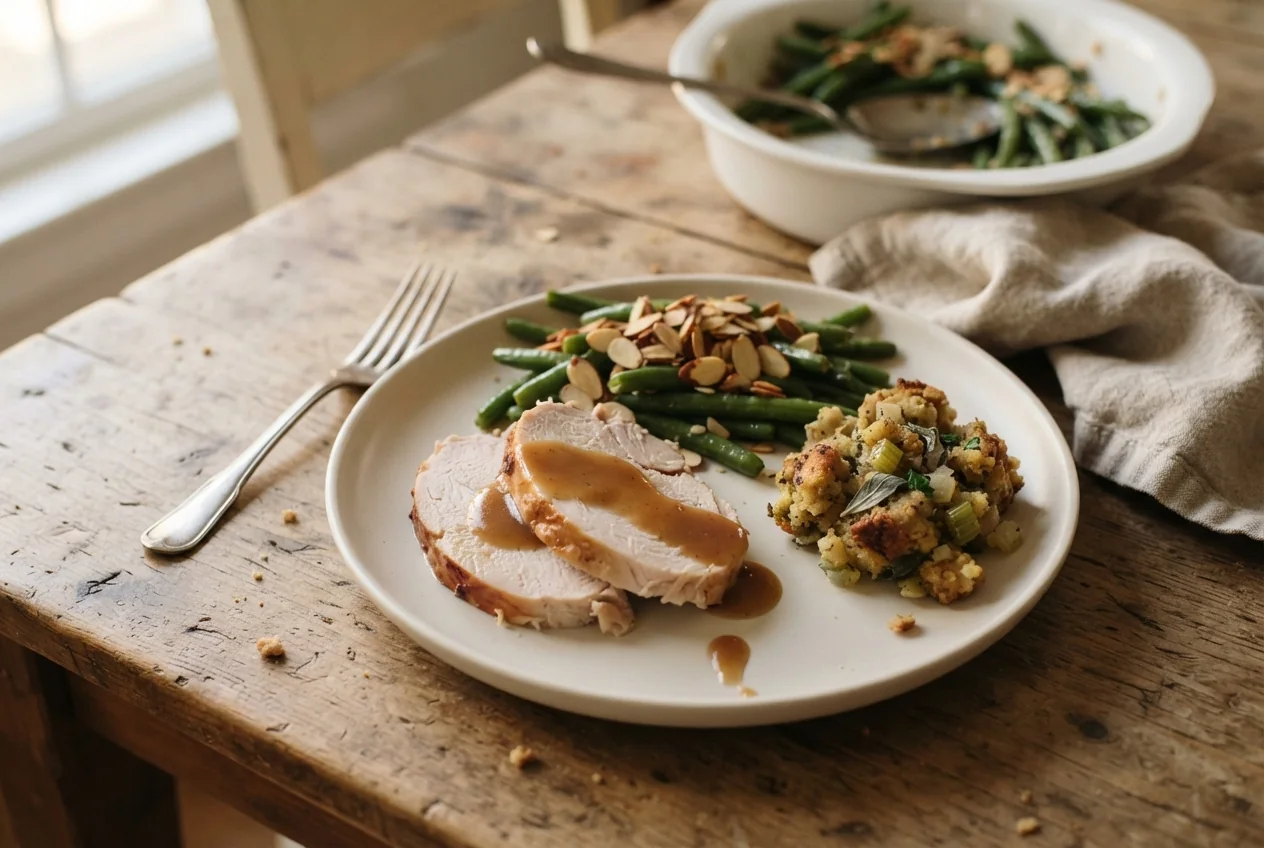
Some replacements aren’t worth the work. A dense homemade roll you barely enjoy may give you less than one small traditional roll would. A complicated imitation of sweet potato casserole can miss the flavor you wanted in the first place.
When you browse low carb Thanksgiving recipes, pick one useful addition and skip the separate holiday menu. Our guide to everyday lower-carb substitutions can help you compare alternatives, and the holiday recipe collection keeps the seasonal options in one place.
Searching for keto Thanksgiving ideas will turn up dishes you like. You don’t need to measure this dinner against a strict ketogenic day to use them. Take the recipe if it suits your table.
Dessert, drinks and gravy
If pumpkin pie is what you want, have a slice you’ll enjoy. Ask for a smaller cut, or share one, if the usual serving is more than you’d like. You don’t owe anyone a substitute dessert.
Count drinks as part of dinner. Sweetened tea, cider and sugary mixers add carbohydrate without looking like another dish. Water, sparkling water and unsweetened tea are the simple options. There’s no reason to trade food for alcohol, or to skip dinner to make room for a drink.
If you have diabetes, NIDDK notes that drinking too much alcohol without enough food can lower blood glucose. Follow your care team’s guidance.
Keep gravy in proportion too. Flour or cornstarch adds carbohydrate, but the amount you pour matters. A measured pour may fit your plate as it is. If you count closely, ask what’s in it, because homemade gravy has no single carb value.
The day after
The Friday after Thanksgiving doesn’t need to be a recovery day. It can be a day of ordinary meals.
The next meal is just the next meal. Go back to the food and timing that usually work for you. Don’t fast to make up for dinner, don’t skip meals as repayment, and don’t wait until Monday.
Leftover turkey is already the start of a low-carb meal. Add vegetables, put it over salad, or use it in our turkey and broccoli casserole. You don’t have to rebuild the whole Thanksgiving plate every time you open the refrigerator.
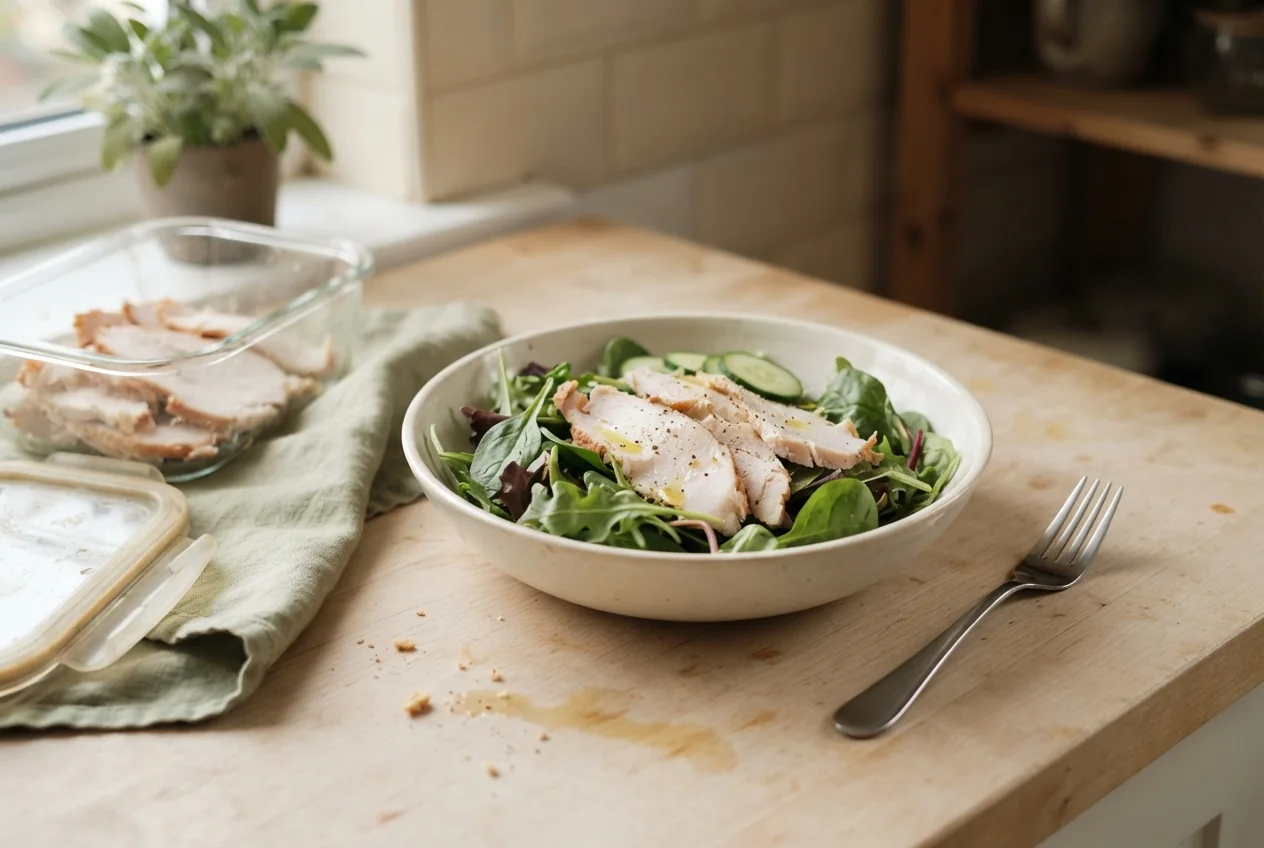
Pack leftovers separately, so lunch doesn’t mean a little of everything again. Freeze the portions you want to keep. Nothing says the holiday food has to be finished by Sunday.
It also helps to plan one familiar meal before the holiday starts. Knowing what Friday’s lunch will be removes a decision at the point when you’re tired of cooking.
If dinner went differently than you intended, look for the practical reason. Was lunch late? Were the portions hard to judge? Did you take foods you didn’t much want? Those are useful signals for next time, and they don’t call for a new set of rules.
Questions people ask
Is turkey low in carbs?
Yes. The USDA entry used here lists no carbohydrate for plain roasted dark turkey meat with the skin removed. That figure covers the meat only. Stuffing, sweet glazes, breading and sauces are separate additions, so check those before you assume everything served with the turkey counts the same way.
Which Thanksgiving sides have the most carbs?
Bread stuffing, mashed potatoes, sweet potato dishes, rolls and sweetened cranberry sauce carry most of the carbohydrate among the sides compared here. Their serving sizes differ, so compare the portion you plan to eat. Toppings and recipe changes matter too. A dish built on a vegetable can still be high in carbs.
Can I have stuffing on a low-carb diet?
Yes, a serving can fit some people’s usual carb intake. Keep the portion visible and decide which other traditional dishes you want next to it. A lower-carb version is another option if you enjoy it. If you take diabetes medication, follow the meal guidance you’ve agreed with your care team.
Is cranberry sauce high in sugar?
Traditional sweetened cranberry sauce contains a lot of sugar. The USDA record used in this comparison is for canned sweetened sauce. Raw cranberries and an unsweetened homemade recipe are different foods. A slice and a small spoonful are different portions too, so check the recipe or the label.
Does one high-carb meal undo my progress?
No. It doesn’t erase your earlier choices, and you don’t have to begin again. A higher-carb meal can still raise blood glucose, particularly if you have diabetes, so keep following your care plan. For your eating routine, the useful next step is an ordinary meal, with no compensation and no Monday restart.
Choose the dishes that matter
Dinner can include the dishes that matter to you. Compare the portions, choose on purpose, and let the next meal go back to your usual pattern.
Keep everyday carb counts within reach
The table above covers nine holiday dishes. The free carb count cheat sheet covers the foods you go back to on Friday: meat and seafood, vegetables, pantry staples, drinks and extras. It’s four printable pages for your phone or your fridge. If you’d like to plan the weeks after the holiday on paper, the Leave the Carbs planner is there for that.
Get the free carb count cheat sheet →Browse the holiday recipes
This article is general information, not medical advice. If you take insulin or another diabetes or blood pressure medicine, talk with the clinician who manages it before you change how you eat.