Dairy-Free Keto Breakfast Options That Still Keep You Full
Taking dairy out of a keto breakfast usually takes protein out with it. Here's how to rebuild the plate so it still holds you until lunch.

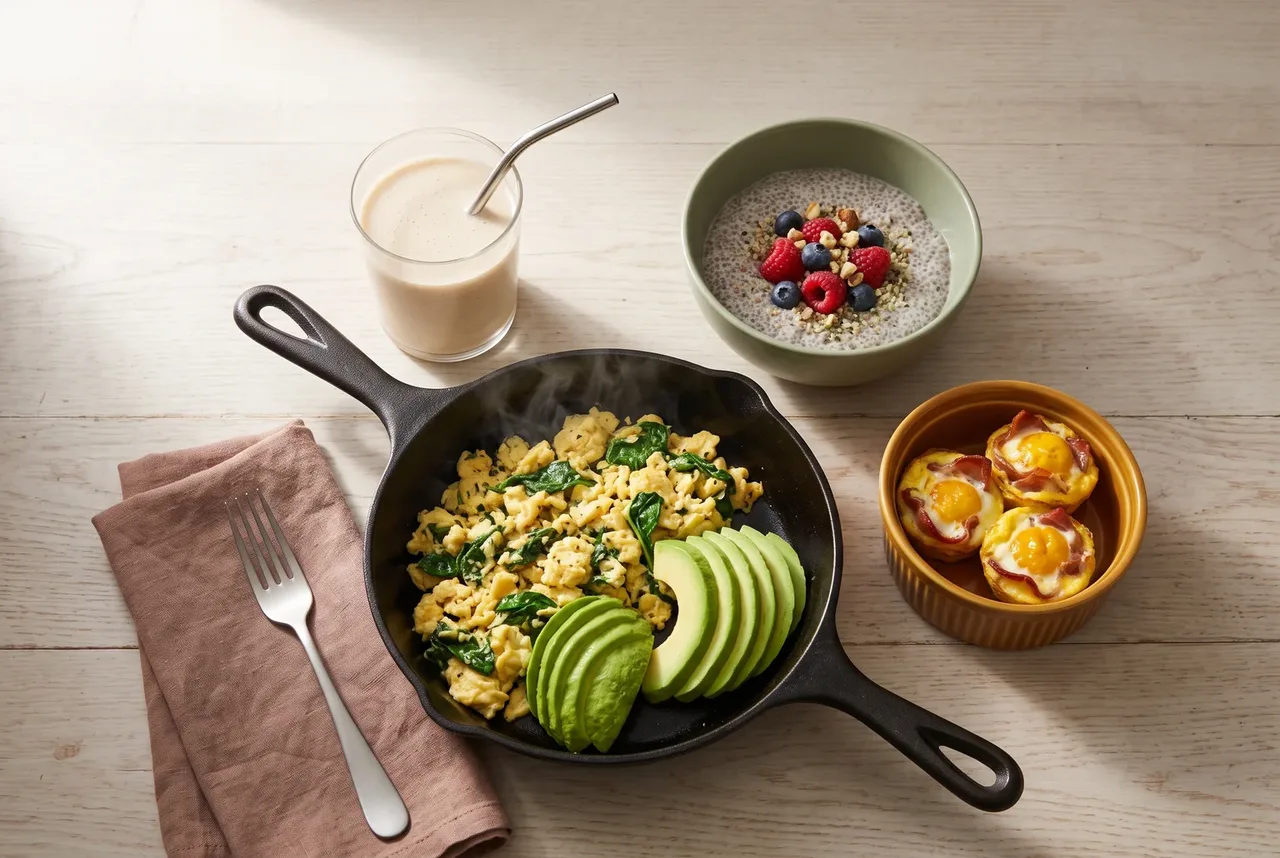
Most keto breakfasts are built on dairy. Cheese in the omelet, cream in the coffee, butter in the pan, a yogurt bowl on the side. Take dairy out and the usual list shrinks fast.
The bigger problem is what tends to replace it. Cut the cheese and the yogurt, and the natural move is to add more oil or coconut cream to get the richness back. The plate tastes fine. It just stops holding you until lunch, because the cheese and yogurt were bringing protein, and oil brings none.
A dairy-free keto breakfast that keeps you full is built the other way around: a real protein portion first, something with fiber and volume second, and fat in a supporting role. Below are eight breakfasts built that way, the swaps for butter, cheese, yogurt and cream, and the label names milk hides behind.
Eight dairy-free keto breakfasts that keep you full
Each one is a whole breakfast, not a protein with nothing around it. Six of the eight contain no eggs either, which the table at the end of this section shows at a glance.
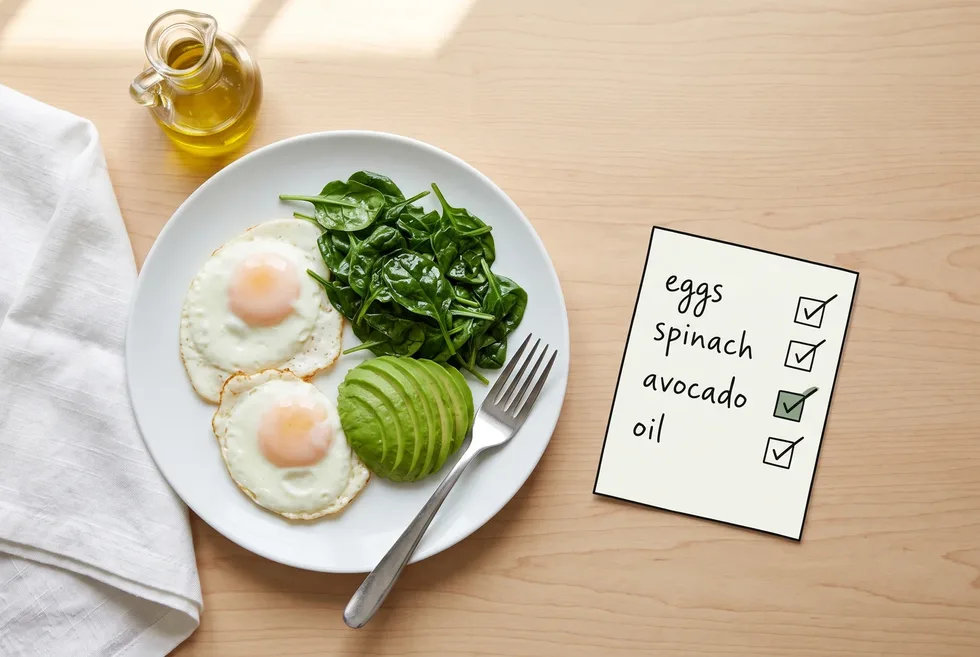
Scrambled eggs with spinach and avocado
Whisk 4 eggs and scramble them in 1 tablespoon of olive or avocado oil over medium heat. Fold in 2 cups of fresh spinach in the last minute, then top with half a sliced avocado. This makes 2 servings.
At 2 eggs a plate, this is the lightest protein portion of the eight, since a large egg carries about 6 grams. If it doesn't hold you, make it 3 eggs a plate. Prep time: 10 minutes. Best made fresh, because scrambled eggs turn rubbery when reheated.
Egg and bacon cups
Line a muffin tin with 6 slices of bacon, then fill each cup with egg. Whisk in chopped bell pepper and spinach first if you want vegetables in the cup. Grease the tin with avocado or coconut oil instead of butter, and check the bacon label for milk solids, whey or caseinate. The base method is in the egg and bacon cups recipe. Prep time: 25 minutes. Keeps up to 4 days in the fridge.
Turkey and mushroom skillet
Brown 6 ounces of ground turkey in 1 tablespoon of olive oil. Add 1 cup of sliced mushrooms, half a diced red bell pepper and half a diced zucchini, and cook 5 to 6 minutes until the vegetables are tender but still have some bite. Prep time: 15 minutes. Reheats well in a skillet or the microwave.
Leftover pulled pork with vegetables
Warm 4 ounces of leftover slow-cooker pulled pork and serve it over sautéed cabbage or roasted broccoli. If you add a barbecue sauce or slaw dressing, check it, since some carry butter or a creamy dairy base. Prep time: 5 minutes when the pork is already cooked.
Tuna and avocado cucumber plate
Mix one 5-ounce can of drained tuna with 1 tablespoon of olive oil or avocado oil mayo. Serve with half a sliced avocado and 1 cup of sliced cucumber. Prep time: 5 minutes. If you prep it ahead, keep the tuna and the cucumber in separate containers so the cucumber stays crisp.
Tofu scramble (egg-free)
Crumble 8 ounces of firm tofu into a skillet with 1 tablespoon of oil. Add a pinch of turmeric for color, plus 1 cup of sliced mushrooms and 1 cup of spinach, and cook 6 to 8 minutes until heated through. Prep time: 12 minutes. Keeps 3 to 4 days.
Chia and hemp breakfast bowl (egg-free)
Combine 3 tablespoons of chia seeds, 2 tablespoons of hemp hearts and 1 cup of unsweetened almond milk, and leave it in the fridge overnight. In the morning, stir in a scoop of pea or other plant-based protein powder and top with a few berries. Prep time: 5 minutes plus the overnight soak.
Dairy-free protein smoothie (egg-free)
Blend 1 cup of unsweetened almond milk, half a cup of coconut water, 1 scoop of plant-based protein powder, half an avocado and a handful of spinach. Put the liquids in the blender first so everything blends evenly. Prep time: 5 minutes. Best made fresh, though you can bag the solid ingredients in the freezer the night before.
| Breakfast | Main protein | Prep time | Egg-free | Make-ahead |
|---|---|---|---|---|
| Scrambled eggs, spinach, avocado | Eggs | 10 min | No | Not recommended |
| Egg and bacon cups | Eggs, bacon | 25 min | No | Yes |
| Turkey and mushroom skillet | Ground turkey | 15 min | Yes | Yes |
| Leftover pulled pork with vegetables | Pork | 5 min | Yes | Yes |
| Tuna and avocado cucumber plate | Tuna | 5 min | Yes | Partly |
| Tofu scramble | Tofu | 12 min | Yes | Yes |
| Chia and hemp bowl | Hemp hearts, protein powder | 5 min + overnight | Yes | Yes |
| Dairy-free protein smoothie | Protein powder | 5 min | Yes | Partly |
Why these breakfasts keep you full
The eight breakfasts above share one structure, and it explains why they hold up better than coffee and good intentions.
A real protein portion. Eggs, turkey, pork, tuna, tofu or protein powder, in an amount you would call a serving, not a garnish. A 2020 systematic review and meta-analysis of randomized trials found that eating protein reduced hunger and increased fullness in the hours after a meal. The same review found longer-term trials inconclusive, so treat this as a pattern that helps meal by meal, not a permanent change to your appetite.
Something with fiber and volume. Spinach, mushrooms, cabbage, cucumber, chia and hemp add bulk and chewing time for very few carbs. Harvard's Nutrition Source notes that fiber helps keep hunger and blood sugar in check, partly by slowing how quickly a meal is digested.
Fat in a supporting role. Avocado, olive oil and hemp hearts add texture and staying power, but they aren't stand-ins for protein. This is exactly where dairy-free keto breakfasts tend to go sideways. The cheese comes out of the omelet, extra oil goes in to make up for the lost richness, and the texture problem is solved while the protein gap stays open.
How long any breakfast holds you still depends on sleep, stress and how much is on the plate, so results vary. The same protein-first structure runs through the wider list of keto-friendly breakfast ideas, which leans more on cheese and yogurt.
Replacing butter, cheese, yogurt and cream in your own recipes
Once you know the building blocks (protein, fiber, fat and low carbs), taking dairy out of your own breakfast recipes gets much easier. The table below covers the dairy ingredients keto cooking leans on most, and what to reach for instead.
| Dairy ingredient | Dairy-free swap | Best for | What to check |
|---|---|---|---|
| Butter for cooking | Olive oil, avocado oil or coconut oil | Scrambling eggs, pan-frying, greasing tins | Pick single-ingredient oils. Coconut oil adds a light coconut flavor that suits some dishes more than others. |
| Butter for high heat | Avocado oil or refined coconut oil | Searing and browning | Ghee is often suggested here, but it's made from butter. FARE lists ghee as a milk ingredient to avoid with a milk allergy. |
| Butter as a spread | Olive oil or avocado oil based spread | Anywhere a soft texture matters | Some plant-based spreads still contain buttermilk, whey or casein, so read the ingredient list. |
| Cheese | Nutritional yeast or a vegan cheese | Savory flavor on eggs or vegetables | Some vegan cheeses use casein, a milk protein, so check the ingredients rather than the front label. |
| Yogurt | Plain, unsweetened coconut yogurt | Bowls, smoothies, sauces | Flavored versions often add sugar or fruit concentrate. Compare carbs per serving on the nutrition panel. |
| Cream | Full-fat coconut milk or cashew cream | Richness in smoothies or sauces | Check for added sweeteners, and for milk-based thickeners in canned versions. |
| Whey protein | Pea, soy or egg white protein powder | Protein smoothies | Confirm no whey, casein or milk solids, and compare protein per scoop with what you used before. |
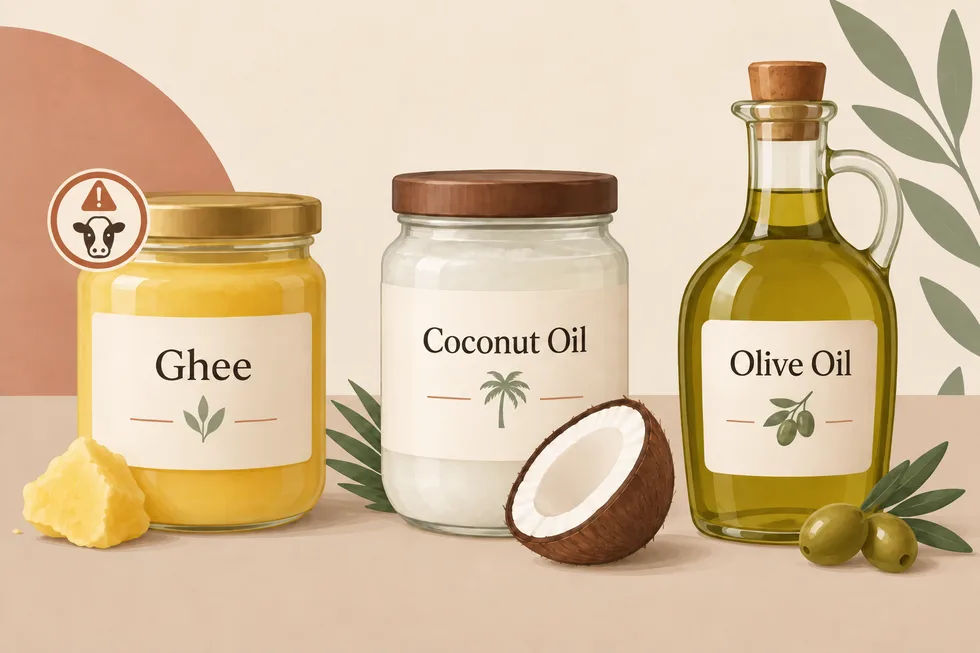
None of these swaps needs a specialty store. For more on which fats earn a place in a low-carb kitchen, see healthy fats for a low-carb diet.
Where milk hides on an ingredient label
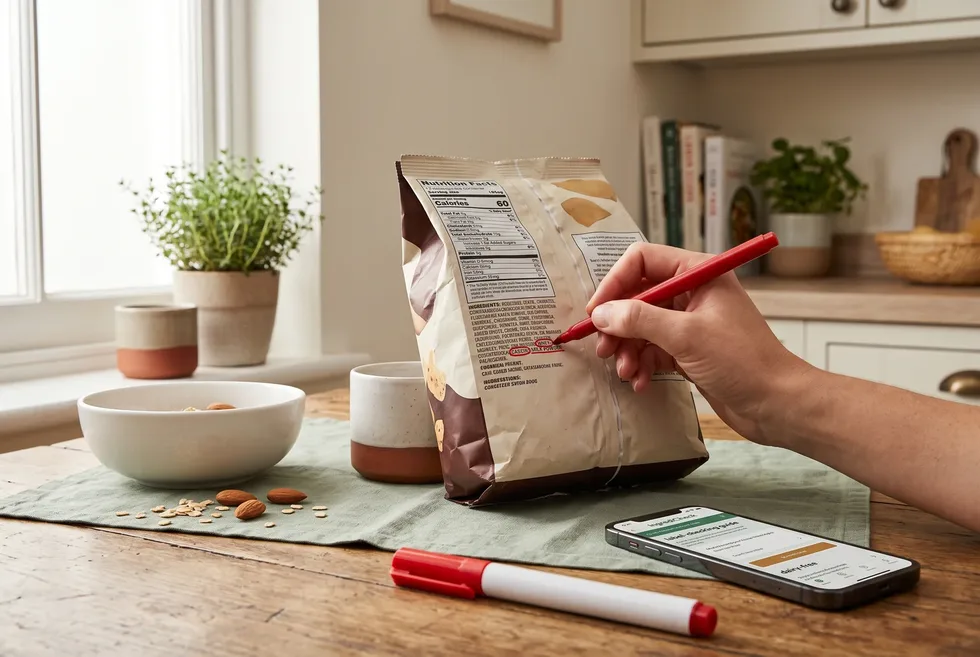
Packaged foods can carry milk under names that never say milk or dairy. Casein and caseinates (sodium, calcium or potassium caseinate) are milk proteins. Whey appears as whey protein, whey concentrate, whey isolate and whey protein hydrolysate. Milk powder, milk solids and buttermilk powder all count too.
"Non-dairy" on the front of a package doesn't settle it. FARE's milk allergy guidance warns that many non-dairy products contain casein, which is why coffee creamer is the classic surprise.
The fastest check is the allergen declaration. Under the Food Allergen Labeling and Consumer Protection Act, milk is a major food allergen, so a US label must name it either in parentheses in the ingredient list, as in "whey (milk)", or in a "Contains: Milk" statement next to the list. That applies to sausages, sauces and protein bars as much as to anything in the dairy aisle.
If you avoid dairy because of a diagnosed milk allergy, the avoidance list your allergist gave you comes first. This section is a starting point for reading labels, not a replacement for that advice.
Making two of these ahead
Two of the eight breakfasts hold up for several days, so they are worth batching on a slower afternoon.
Egg and bacon cups keep for about 4 days refrigerated in a sealed container. Bake a batch of 6 on Sunday and midweek is covered. Reheat in the microwave for about 45 seconds, or in a 350°F oven for 8 to 10 minutes if you want the bacon to crisp back up.
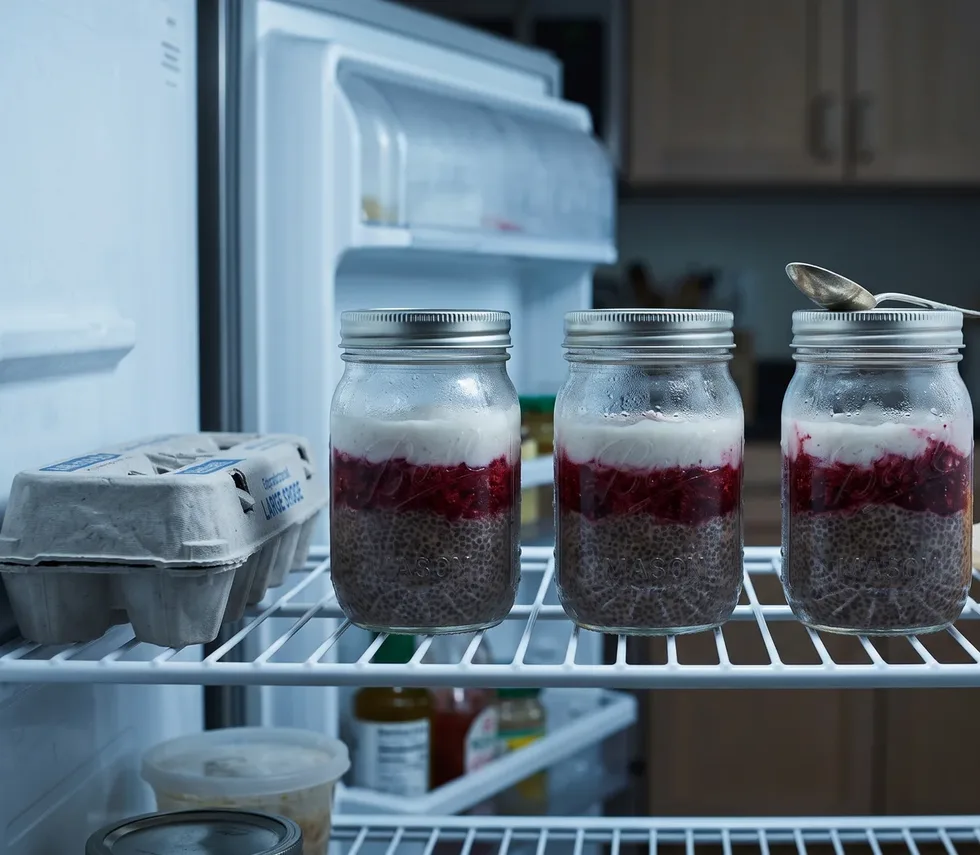
The chia and hemp bowl is designed to sit. Mix a larger batch of chia seeds and almond milk, portion it into 3 or 4 jars, and it thickens into a pudding texture by morning. Add the protein powder and berries on the day you eat it.
The pulled pork plate is less a prep project than a way to use what's already in the fridge from dinner earlier in the week.
None of this needs a rigid schedule. For a broader look at rotating proteins and vegetables across the week without repeating the same breakfast every day, the keto breakfast plan for busy weekdays covers the planning side.
Common questions
Is lactose-free milk dairy-free?
No. Lactose-free milk has the milk sugar broken down, but it's still milk. As the Canadian Digestive Health Foundation explains, lactose-free dairy still contains the milk proteins whey and casein, so it doesn't work if you avoid dairy because of a milk allergy.
Is ghee dairy-free?
Not strictly. Ghee is butter with most of the milk solids removed, which is why some people who avoid lactose tolerate it. It still comes from milk, and FARE lists ghee among the ingredients to avoid with a milk allergy.
Can I eat eggs on a dairy-free keto diet?
Yes. Eggs aren't dairy, even though they often sit next to milk in the store. Egg allergy and milk allergy are separate, so avoiding one doesn't mean avoiding the other. If you skip both, six of the eight breakfasts above contain no eggs.
Which dairy-free keto breakfast is quickest on a busy morning?
The tuna and avocado plate and the leftover pulled pork each take about 5 minutes. The chia and hemp bowl is also 5 minutes, but the work happens the night before, which makes it the easiest one to have waiting for you.
Do I need special dairy-free products?
Mostly no. The turkey skillet, the tuna plate and the pulled pork are dairy-free with no swaps at all. You only need a plant-based milk for the smoothie and the chia bowl, and coconut yogurt or a vegan cheese only if you're adapting a recipe that was built around dairy.
Pick one breakfast for tomorrow.
You don't need to overhaul the week. Choose the option that fits the time you actually have in the morning and make it tomorrow. If you want the carb counts for the ingredients on hand while you shop, the cheat sheet keeps them in one place.
Get the free carb count cheat sheet →More keto breakfast ideas
Sources
- Effect of short- and long-term protein consumption on appetite and appetite-regulating gastrointestinal hormones, a systematic review and meta-analysis of randomized controlled trials. Kohanmoo A, Faghih S, Akhlaghi M. Physiology & Behavior, 2020
- Fiber. Harvard T.H. Chan School of Public Health, The Nutrition Source
- Milk Allergy. Food Allergy Research & Education (FARE)
- Food Allergen Labeling and Consumer Protection Act of 2004 (FALCPA). US Food and Drug Administration
- Is lactose-free the same as dairy-free? Canadian Digestive Health Foundation